



It started as client work — and a wish we couldn’t grant.
A global strategy consultancy wanted personas they could act on — not documents. We couldn’t build that for a single client at a competitive price. Too expensive, back then.
Ask Sona brings customer perspective into everyday decisions — without turning every question into a long research project. This page explains how it works, what it’s built from, and why it isn’t just another AI tool.
“Automation isn’t my problem — I don’t trust the results enough to hand them off yet. Show me why I can.”
Customer-centricity is easy to say and hard to practice: when a real decision is on the table, the customer is rarely in the room. Drag the divider — same team, with and without a shared reference.
Understanding people needs a carefully designed lens. Ours has three layers — scroll, and each one explains itself.

A curated research knowledge base: 80+ taxonomy layers, statistical guardrails, traceable reasoning.
A hand-picked set of frontier models reasons through it all — a persona in under 60 seconds. Never trained on your inputs.
A sentence, notes, or your own research — this is where the persona becomes truly yours. Templates cover the start.
Instead of a persona that just agrees with you.
Thomas Grabowski is a real Persona Template from the catalog. This is the same chat you get on the template page — no signup needed.
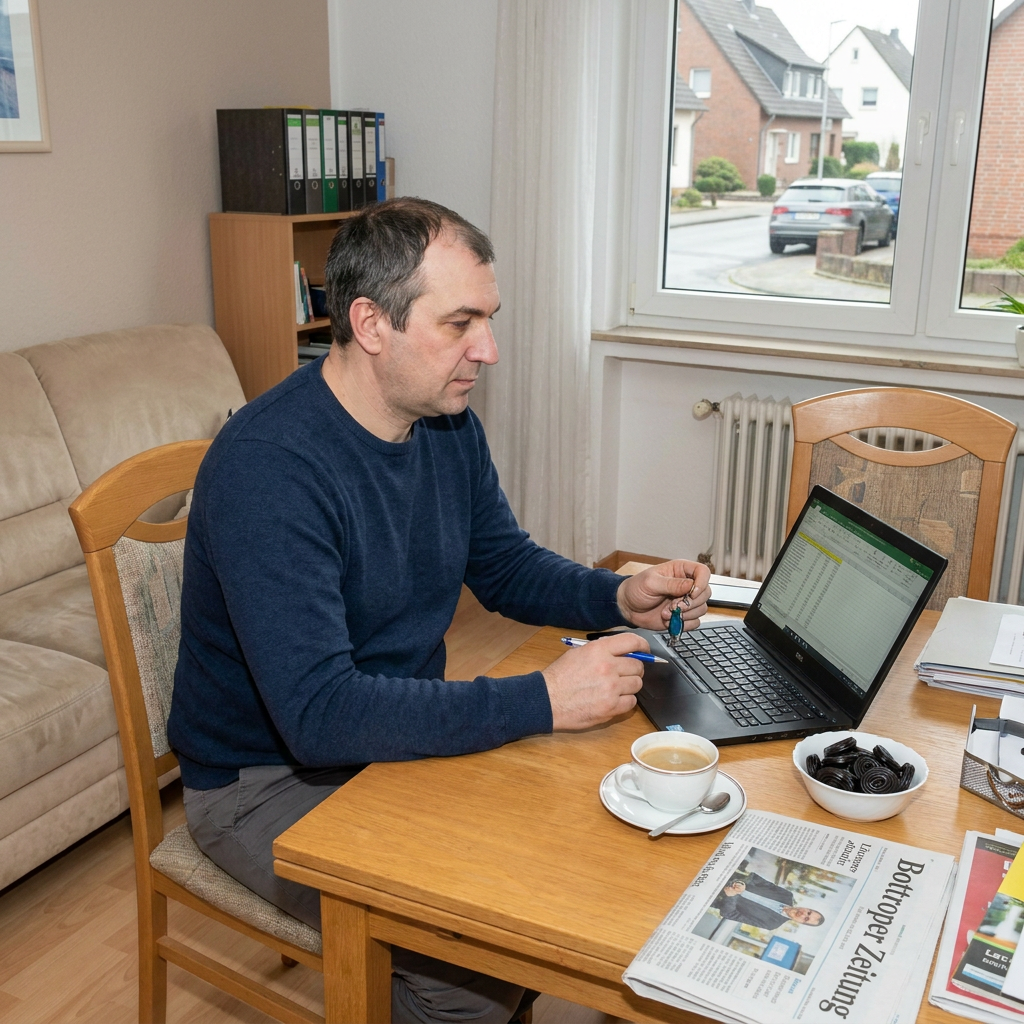 AI-generated
Start a conversation with Thomas Grabowski to understand their perspective, motivations, and challenges.
Try asking about their goals, daily routine, or what motivates them.
No signup · meet all personas in the catalog →
Grounded in years of UX, social science, and research practice.
Helping teams move from guesswork to clearer customer understanding.
Making customer perspective part of everyday decisions.
Ask Sona is made by Dinghy, a research-led product design agency — 10 years of UX design and research practice for product teams, agencies, and consultancies. More about Dinghy →
No. Generic AI generates plausible text from the whole internet. Ask Sona responses are built on a defined, inspectable basis: your own inputs, the Sona Typology Standard, and your decision context — with visible Grounding under every answer, so you can check the basis instead of taking it on faith.
Your inputs are used to ground your personas — never to train AI models. Your research stays yours.
Less than you think. A single sentence is enough to start; templates carry professional persona knowledge so there's no blank page. Notes, files, and research make everything richer — add them whenever you're ready.
Trust them as decision support, not as oracle output. A Persona Response applies existing knowledge through a structured lens — it exposes assumptions and perspectives, and it tells you when its basis is thin. It doesn't replace research or predict every real person in your audience.
Customers feel seen. Businesses move with more confidence. Everyone wins. Our mission: bringing the voice of the customer into the room, so teams can build with more clarity and confidence.
From a client wish we couldn’t grant, through a year of publishing about broken personas, to one PowerPoint slide that broke us — the whole story, with receipts.
Drag through the timeline →
A global strategy consultancy wanted personas they could act on — not documents. We couldn’t build that for a single client at a competitive price. Too expensive, back then.
The post that started the public argument.
Read on dinghy.studio →Everyone wants personas; in the long run they never work out. We spent a year writing about why — a nine-piece series on what makes personas fail, and what would fix them.
Back to first principles.
Read on dinghy.studio →
The fix, as far as it went without software.
Read on dinghy.studio →
The podcast, same obsession.
Watch on YouTube →
Working through the fix, out loud.
Watch on YouTube →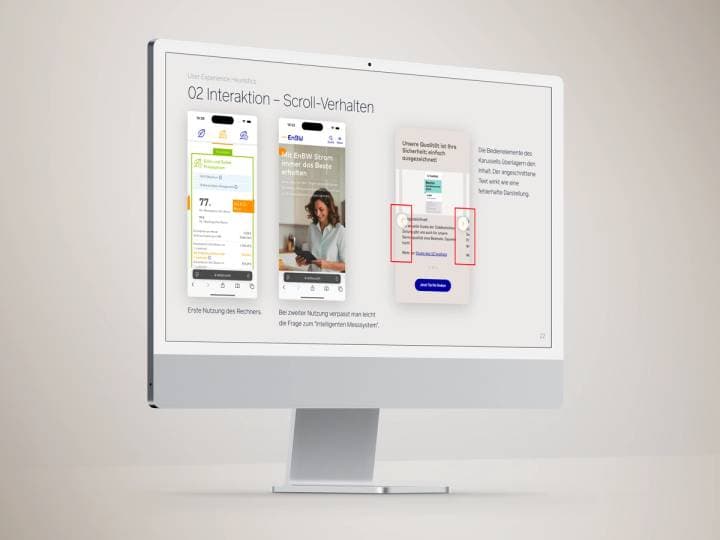
The research practice kept running.
dinghy.studio →
Listening to users as an ongoing practice.
dinghy.studio →Research, interviews, synthesis — all done. Then came the moment every persona project ends with: distilling everything into the classic bento grid on a single PowerPoint slide.
“How do I cook all this down so it fits on one slide — and still works for the person using it?”
We defined the bento boxes as an output format for an LLM and ran the distillation with AI for the first time — and were amazed by how helpful a language model really is here.
We showed it around. Our agency and freelancer friends were ecstatic about the premise — and wanted access.
The question, asked on camera.
Watch on YouTube →
The thinking, written down as it became real.
Read on dinghy.studio →Ask Sona: personas that are alive, grounded, and actionable — the thing we couldn’t build for one client, built for everyone.